


5 Questions to Ask Yourself Before Buying a Vibrator

Shopping for your first vibrator—or even your next one—can be both exciting and overwhelming. With endless options available online and in stores, it’s easy to get lost in product descriptions, flashy designs, and marketing buzzwords. But buying a vibrator is a personal decision that goes far beyond aesthetics. The right choice should match your body, desires, comfort level, and lifestyle.
Before you click “add to cart,” pause and reflect. Asking yourself a few essential questions will not only help you avoid disappointment but also ensure that your investment truly enhances your pleasure. Below are five crucial questions to consider before purchasing a vibrator, along with detailed insights to guide your decision.
1. What Kind of Stimulation Do I Enjoy Most?
Every body is unique, and vibrators are designed to target different erogenous zones. Some focus on clitoral stimulation, others are made for internal use, and many combine both. To narrow down your choices, think about the type of sensation that excites you the most.
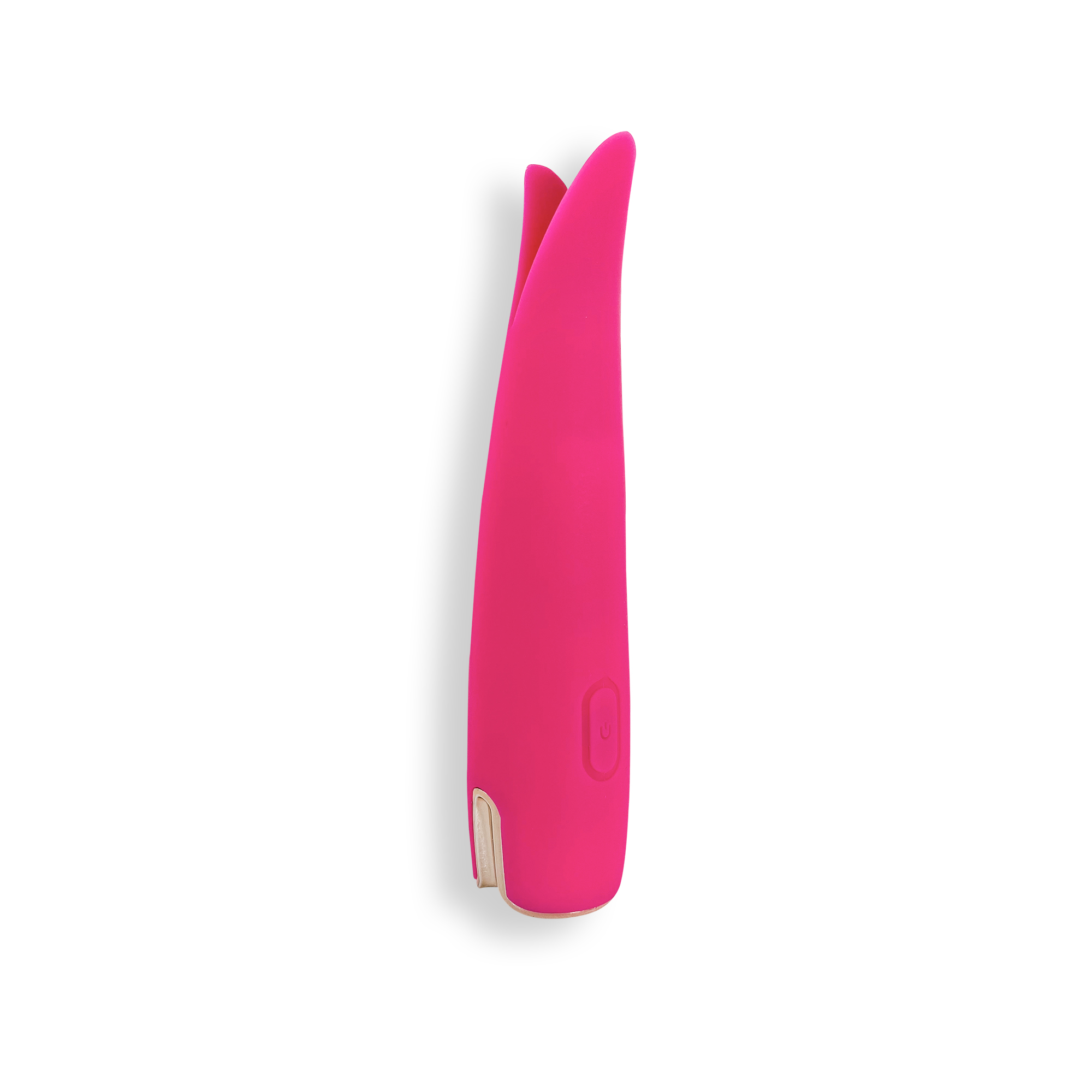
- Clitoral stimulation: If you love external pleasure, consider bullet vibrators, suction toys, or wand massagers. These focus on the clitoris and are usually powerful and easy to use.
- Internal stimulation: For people who enjoy penetration, G-spot vibrators or insertable dildos with vibration functions can provide deep and targeted sensations.
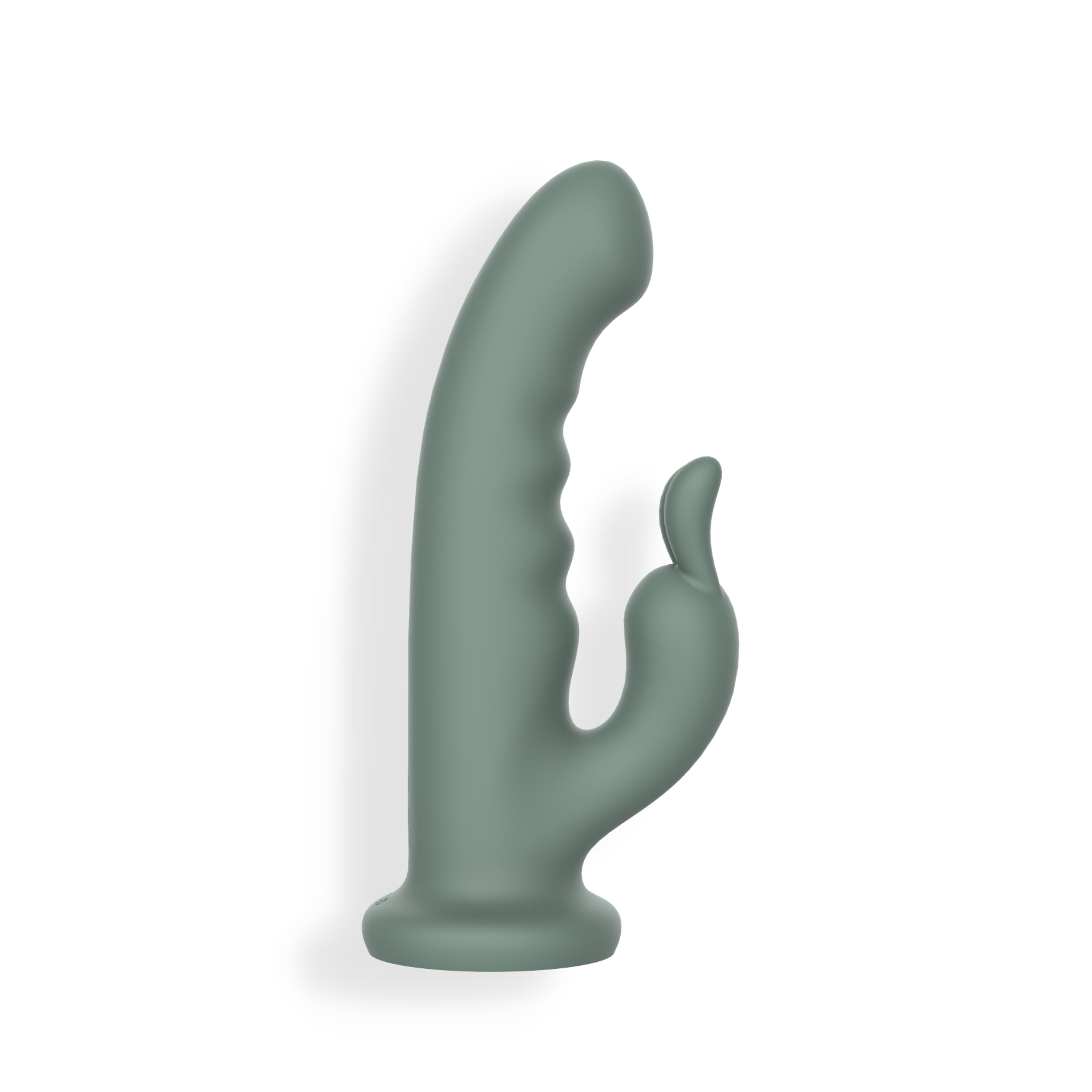
- Dual stimulation: Rabbit vibrators and modern hybrids combine external and internal stimulation, which may suit you if you want simultaneous pleasure.
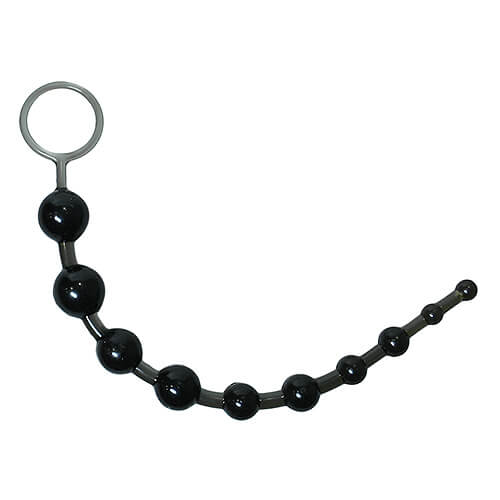
- Anal play: If you’re curious about anal stimulation, look for vibrators designed specifically for safety and comfort, such as those with a flared base.
By reflecting on what feels good for you during solo play or intimacy with a partner, you’ll have a clearer idea of which category suits you best. This step prevents you from investing in a product that doesn’t align with your desires.
Pleasure is not static. As your body becomes familiar with certain types of stimulation, your nervous system can adapt, changing how sensations are perceived over time. What feels overwhelming at first may later feel subtle, while previously unnoticed sensations can become deeply arousing. This is why many people eventually own more than one type of vibrator, each serving a different mood, energy level, or stage of exploration. Choosing with curiosity rather than rigid expectations allows room for growth and discovery.
2. What Size and Shape Will Make Me Comfortable?
Vibrators come in all shapes and sizes—from tiny, discreet bullets to large wands and anatomically sculpted toys. Choosing the right dimensions isn’t about “bigger is better” but about what will make you feel relaxed and aroused.
- Beginners: Smaller toys are less intimidating and easier to handle, making them a great choice if you’re new to vibrators.
- Experienced users: If you already know you enjoy fullness or intense sensations, a larger vibrator or one with more powerful settings might satisfy you.
- Ergonomics: Consider the grip, angle, and weight of the toy. A design that fits comfortably in your hand will make a big difference during use.
Comfort is key, especially if you plan to use the toy often. A vibrator that feels awkward or too heavy can ruin the experience, no matter how powerful it is.
Comfort isn’t only about physical dimensions—it’s also about how much effort the toy requires to use. Weight, button placement, and responsiveness can significantly affect enjoyment, especially during longer sessions or for people with limited hand strength or mobility. A well-designed vibrator should feel intuitive, not distracting. When your focus stays on sensation rather than adjusting settings or grip, pleasure flows more naturally.
3. What Materials and Safety Standards Should I Look For?
Not all vibrators are created equal when it comes to materials. Since this is a product you’ll use on sensitive parts of your body, safety and hygiene should be top priorities.
- Body-safe materials: Opt for medical-grade silicone, ABS plastic, or stainless steel. These are non-porous, easy to clean, and less likely to cause irritation.
- Avoid porous materials: Some cheaper toys are made from jelly or rubber, which can harbor bacteria and may not be safe for long-term use.
- Waterproof vs. splash-proof: If you enjoy playing in the shower or bath, look for fully waterproof models. Otherwise, splash-proof toys are usually fine for quick cleaning.
- Phthalate-free guarantee: Always check whether the product is free from harmful chemicals like phthalates, which are not safe for intimate use.
Investing in a high-quality, body-safe vibrator is an investment in your health. Spending a little more upfront can save you discomfort and potential health issues in the future.
4. What Features Do I Really Need?
Today’s vibrators come loaded with features—multiple speeds, vibration patterns, app controls, heating functions, and even voice activation. But not every extra is necessary. Think about what will genuinely improve your experience.
- Speed and vibration modes: Do you prefer steady vibrations, pulsing patterns, or escalating intensity? Some people enjoy variety, while others stick to one reliable setting.
- Noise level: If privacy is important, choose a toy advertised as “whisper-quiet.”
- Rechargeable vs. battery-powered: Rechargeable vibrators are eco-friendly and more convenient, but battery-powered toys can be a good budget option.
- Smart technology: App-controlled vibrators allow for long-distance play with a partner, which can be exciting for those in long-distance relationships.
By prioritizing features that align with your lifestyle, you’ll avoid overpaying for gimmicks that won’t add much to your pleasure.
5. What’s My Budget and Long-Term Value?
Vibrators range from affordable options under $30 to luxury devices priced at several hundred dollars. Setting a budget helps you shop more efficiently without compromising your needs.
- Entry-level: Great for experimentation, though durability and power may be limited.
- Mid-range: Offers a balance of quality, performance, and price—ideal for most users.
- Luxury: Premium materials, quiet motors, sleek designs, and extended warranties. These can be worthwhile investments if you plan to use your vibrator frequently.
Remember that the most expensive toy isn’t automatically the best. Think of your vibrator as a personal tool for pleasure and self-care. Paying for durability, safety, and comfort is often more valuable than splurging on luxury branding.
Beyond technical specifications, it’s worth reflecting on the context in which you’ll use your vibrator. Is it primarily for quick stress relief, long exploratory sessions, partnered play, or long-distance intimacy? Different scenarios call for different tools. A compact, discreet toy may suit spontaneous moments, while a more powerful or feature-rich vibrator might be ideal for intentional self-care rituals. Aligning your choice with real-life use—not just fantasy—greatly increases long-term satisfaction.
Make the Choice That Fits You
Buying a vibrator is about more than browsing trendy designs online. It’s about understanding your body, preferences, and comfort level. By asking yourself the five questions above—about stimulation type, size, materials, features, and budget—you’ll gain clarity and confidence in your purchase.
The right vibrator can empower you to explore your sexuality, reduce stress, and deepen intimacy with yourself or your partner. So take your time, reflect on your needs, and choose a toy that will genuinely enhance your pleasure journey.