


Anal Beads: Complete Guide to Types, Materials, Benefits, and Safe Use

The landscape of intimate wellness accessories offers a diverse range of tools for exploration and pleasure enhancement. Among them, anal beads occupy a distinct niche, representing a product category that blends specific physiological interaction with sensory experience. This in-depth review examines anal beads not merely as an intimate accessory, but as a designed object with particular characteristics, intended uses, and important safety protocols. Understanding these facets is crucial for any individual considering their integration into personal or partnered wellness practices.
Anatomy and Design: Beyond the Basic Form
Anal beads are not a monolithic product but vary significantly in their construction, which directly influences their function and user experience. The fundamental design consists of a series of spherical or ovoid units connected in a linear sequence.
- Material Composition: The Foundation of Safety and Sensation
The choice of material is paramount, influencing safety, hygiene, and tactile quality.- Silicone (Premium Standard): High-quality, platinum-cure silicone is the benchmark. It is non-porous, hypoallergenic, easy to sanitize, and body-safe. Silicone beads can be firm or softly flexible, with a smooth, often matte finish that allows for comfortable movement.
- Thermoplastic Elastomer (TPE): A softer, more yielding material that can mimic a supple feel. Its primary drawback is porosity, requiring more stringent and immediate cleaning protocols to prevent bacterial harborage. It is generally less durable than medical-grade silicone.
- Metal (Stainless Steel, Aluminum) & Glass (Borosilicate): These materials offer a unique experience: absolute rigidity, significant weight (in the case of metal), and a perfectly smooth, non-porous surface. They are excellent for temperature play (chilling or warming) and provide a distinct feeling of fullness and glide. The inherent rigidity requires even greater care during use.
- Structural Design Elements:
- Bead Count and Graduation: Strands typically feature between 5 to 10+ beads. A key design feature is graduation—where beads increase incrementally in size from the tip to the base. This design aids in comfortable, phased insertion and removal, allowing the anal sphincters to adapt gradually.
- The Connector: The material linking the beads must be equally body-safe and possess high tensile strength. Silicone-covered, flexible steel cord is a sign of quality, ensuring the strand does not break. The spacing between beads is also a design choice, affecting the sensation during removal.
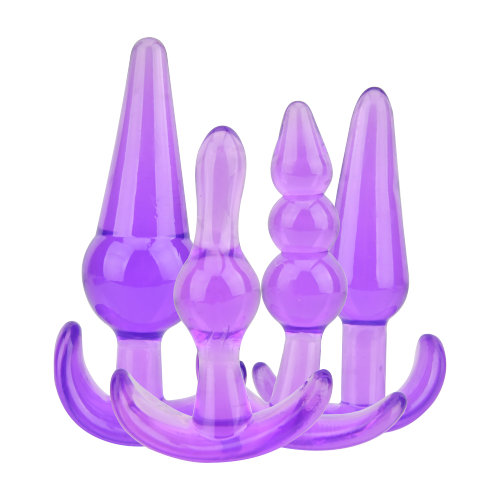
- The Base (The Critical Safety Feature): The most critical component is the base, handle, or end loop. It must be conspicuously flared, shaped like a ring, T-bar, or a large, retrievable pull. This design is non-negotiable, as it prevents the entire strand from being unintentionally and dangerously drawn into the rectum, which lacks a natural stopping point like the cervix. A secure base allows for controlled, deliberate removal.
Beyond physical construction, anal beads can also be understood as an object shaped by evolving attitudes toward intimacy and body awareness. Historically, such accessories emerged from niche medical and erotic contexts but have increasingly transitioned into mainstream wellness discourse. This shift reflects broader cultural changes—greater openness about pelvic health, consent-focused exploration, and the reframing of pleasure as a component of overall well-being rather than a taboo pursuit. As a result, contemporary designs prioritize not only stimulation, but also ergonomics, aesthetics, and user confidence.
Physiological Interaction and Reported Sensations
The functionality of anal beads is rooted in their interaction with human anatomy. The anal canal and rectum are rich in nerve endings and surrounded by dense muscle tissue (the sphincters).
- The Mechanism of Sensation: Pleasure is primarily derived from the process of removal, not insertion. As the beads are slowly withdrawn, each sphere sequentially stimulates the sensitive nerve endings of the anal canal. This creates a rhythmic, wave-like sensation of pressure and release. Furthermore, the beads gently tension and massage the internal and external anal sphincter muscles, which are connected to the broader pelvic floor. For individuals with a prostate gland, this motion can provide indirect stimulation to that highly sensitive area.
- The “Orgasm Amplification” Effect: Many users report that timed removal of beads during the climax phase of an orgasm can intensify the experience. The rapid, successive contraction of the pelvic floor muscles around the retreating beads may prolong and deepen the orgasmic contractions, leading to a more powerful release. This is a subjective effect but is consistently noted in user testimonials.
Equally significant is the psychological dimension of use. Anticipation, pacing, and a sense of control play a substantial role in how sensations are perceived. For many individuals or couples, anal beads function as a tool for mindfulness—encouraging slow progression, attention to bodily feedback, and intentional timing. In partnered settings, their use often relies on clear communication and trust, reinforcing emotional connection alongside physical sensation. This mental engagement can meaningfully enhance the overall experience, independent of purely physiological response.
A Rigorous Protocol for Safety and Hygiene
Given the delicacy of rectal tissue and its bacterial environment, a strict protocol is essential.
- Pre-Use Preparation:
- Hygiene: A gentle external wash is standard. Some users prefer a quick, shallow internal rinse using a dedicated anal douche (enema bulb) with lukewarm water to ensure cleanliness and peace of mind. The colon should never be fully irrigated without medical cause.
- Inspection: Always inspect the beads for any imperfections, cracks, or weaknesses in the connector before use.
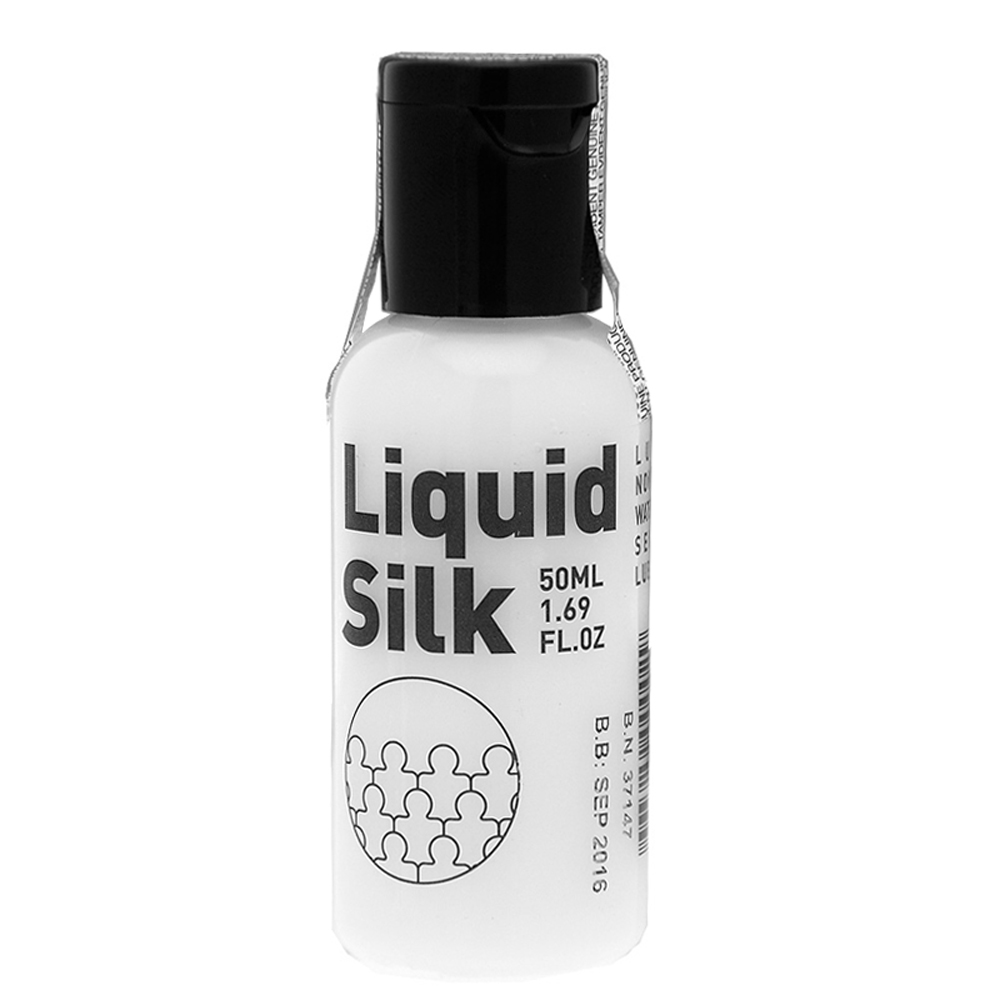
- Material Check: Ensure the material is compatible with your chosen lubricant. Silicone beads require water-based or hybrid lubricants; oil-based lubes can degrade certain materials.
- The Imperative of Lubrication:
Anal tissue does not self-lubricate. Using a generous amount of a high-quality, long-lasting lubricant is mandatory. A thick, water-based gel or a silicone-based lubricant (if not used with silicone beads) is ideal. Lubricant must be applied liberally to each bead and the anal opening. Reapplication during extended play is often necessary. - Technique and Mindset:
- Insertion: Relaxation is key. After lubricating, the tapered first bead should be gently pressed against the anus. Using slow, steady pressure—often coordinated with exhalation—allows the sphincter to relax and accept the bead. The graduated design then facilitates further insertion.
- Removal (The Active Phase): This should be done slowly and with control. A steady, gentle pull allows the user to experience the sequential sensation. The pull can be paused or rhythmic. Never yank or pull quickly. The secure base provides the leverage for this controlled motion.
- Post-Use Care:
- Cleaning: Non-porous beads (silicone, metal, glass) should be washed immediately with warm water and mild, unscented soap or a dedicated toy cleaner. Porous materials like TPE require even more thorough washing and must be dried completely.
- Storage: Once completely dry, store in a clean, breathable pouch or container, away from direct sunlight and other toys to prevent material degradation or cross-contamination.
Selecting a Product: A Consumer Guide
When choosing anal beads, consider:
- Experience Level: Beginners should opt for a strand with a significant graduation, starting with very small beads (under 1 inch / 2.5 cm in diameter at the largest), made of soft silicone.
- Material Preference: For ease and safety, body-safe silicone is the universally recommended choice. It balances flexibility, safety, and ease of maintenance.
- Feature Additions: Some models incorporate vibration, with a motor in the base or individual beads. This adds another layer of stimulation but increases complexity and cost.
- Brand Reputation: Invest in products from reputable manufacturers specializing in intimate wellness. These companies prioritize body-safe materials, rigorous safety testing (like having a base that withstands significant pull force), and clear instructional guidelines.
It is also important to acknowledge situations in which the use of anal beads may be inadvisable. Individuals experiencing active hemorrhoids, fissures, inflammation, recent surgery, or unexplained rectal pain should refrain from use and consult a healthcare professional if uncertainty exists. Discomfort, sharp pain, or bleeding during use are signals to stop immediately. Responsible product use includes recognizing personal limits and understanding that abstaining or postponing use is a valid and prudent choice when the body signals the need for caution.
Conclusion: A Tool for Focused Exploration
Anal beads represent a specialized tool within the broader context of intimate wellness. Their value lies in their unique design, which provides a specific, rhythmic form of stimulation tied to the physiology of the anal region and pelvic floor. A successful and positive experience is almost entirely contingent upon respecting three pillars: the non-negotiable safety of a flared base, the liberal use of appropriate lubricant, and a mindset centered on patience, relaxation, and controlled motion. When selected thoughtfully and used with informed care, they can offer a distinct and intensifying dimension to personal sensory exploration or consensual partnered activity. As with any intimate product, education and mindful practice are the foundations of a rewarding experience.