


Dildo Buying Guide: How to Choose the Perfect One for You

When it comes to exploring pleasure, few tools are as versatile and timeless as the dildo. Unlike many other sex toys, dildos have been around for centuries, evolving from simple carved shapes to highly sophisticated designs made from body-safe materials. Whether you’re shopping for your very first one or looking to upgrade your collection, the sheer number of choices today can feel overwhelming.
This guide is designed to take the guesswork out of the process. We’ll walk through the different materials, shapes, sizes, and features available, while also covering safety, care, and practical tips to help you choose the perfect dildo for your body and desires.
Why Dildos Remain a Popular Choice
Dildos are among the most popular and enduring sex toys on the market for several reasons:
- Simplicity – They don’t require batteries, apps, or charging cables.
- Control – They respond directly to your movement and pace.
- Versatility – Suitable for vaginal, anal, solo, or partner play.
- Durability – A well-chosen dildo can last for many years.
But with popularity comes variety, and that’s where selection can get tricky.
Step 1: Think About Your Goals
Before you dive into colors and shapes, ask yourself: What do I want this dildo for?
- Solo play – Do you want it for masturbation, self-exploration, or to practice penetration?
- Partner play – Will it be used during sex with a partner, in a harness, or as part of role-play?
- Anal exploration – Do you want something slim and smooth, or wider for advanced play?
- G-spot or prostate stimulation – Are you interested in curved or angled shapes designed to hit specific pleasure zones?
Defining your goals first will help narrow your options dramatically.
Step 2: Choosing the Right Material
Material makes a huge difference in safety, sensation, and longevity. Here’s a breakdown:
Silicone
- Pros: Hypoallergenic, non-porous, body-safe, easy to clean, available in many textures.
- Cons: Higher price point, may attract lint/dust if not stored properly.
- Best for: Anyone who wants a long-lasting, body-safe, and flexible option.
Glass
- Pros: Elegant, non-porous, can be warmed or cooled for temperature play, ultra-smooth.
- Cons: Very rigid—some people find it too intense.
- Best for: Users who like firm pressure and sleek designs.
Stainless Steel
- Pros: Incredibly durable, weighty, great for pressure play, temperature-responsive.
- Cons: Expensive, heavy, may feel intimidating for beginners.
- Best for: Experienced users, lovers of intense sensations.
ABS Plastic
- Pros: Affordable, lightweight, non-porous, smooth.
- Cons: Less luxurious, may lack flexibility.
- Best for: Beginners who want a budget-friendly introduction.
Realistic Materials (e.g., TPE, cyberskin)
- Pros: Very soft and lifelike, flexible.
- Cons: Often porous, harder to sanitize, less durable.
- Best for: Those who prioritize realism but are okay with extra care.
For most people, medical-grade silicone remains the gold standard: it’s safe, versatile, and built to last.
Step 3: Think About Size and Shape
Size matters—but not in the way you might think. Choosing the right dildo size is about comfort and personal preference, not impressing anyone.
Length
- Short (under 5 inches insertable): Great for beginners or for targeted G-spot or prostate play.
- Medium (5–7 inches): The most popular range, versatile for different uses.
- Long (7+ inches): Ideal if you want deeper penetration or specific fantasies.
Girth
- Slim (under 1.25 inches): Comfortable for anal beginners or people who prefer less stretch.
- Average (1.25–1.5 inches): A natural, realistic feel for most.
- Thick (1.5+ inches): For those who crave fullness and advanced stimulation.
Shape
- Straight: Simple, classic, easy to use.
- Curved: Designed to stimulate the G-spot or prostate.
- Realistic: Molded to look like a penis, often with veins and textures.
- Abstract: Creative, non-realistic shapes, sometimes artistic or playful.
Step 4: Do You Want a Suction Cup or Harness Compatibility?
Many dildos today come with special features that add versatility.
- Suction Cup Base: Lets you stick your dildo to smooth surfaces like showers, mirrors, or floors for hands-free play.
- Harness Compatible: Dildos with flared bases can be used in strap-ons for partner play.
- Dual-Use: Some are designed for both vaginal and anal play, with safety flares included.
If you plan to use a harness or strap-on, make sure your dildo has a sturdy, flared base.
Step 5: Consider Texture and Extras
Not every dildo is smooth. Some are designed with added sensations in mind:
- Ridges or Veins: Create extra friction and stimulation.
- Bulbed or Beaded: Provide a “pop” feeling during insertion or removal.
- Double-Ended: Fun for partner play or versatile solo sessions.
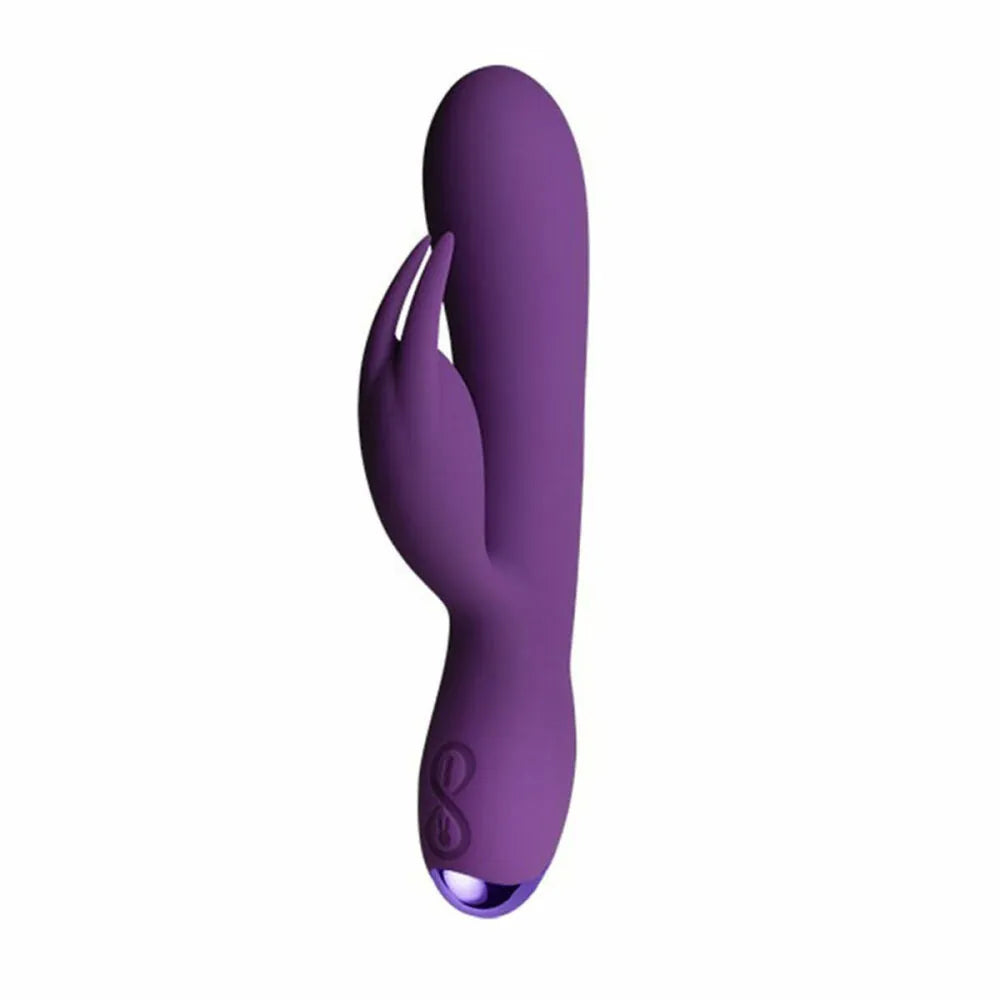
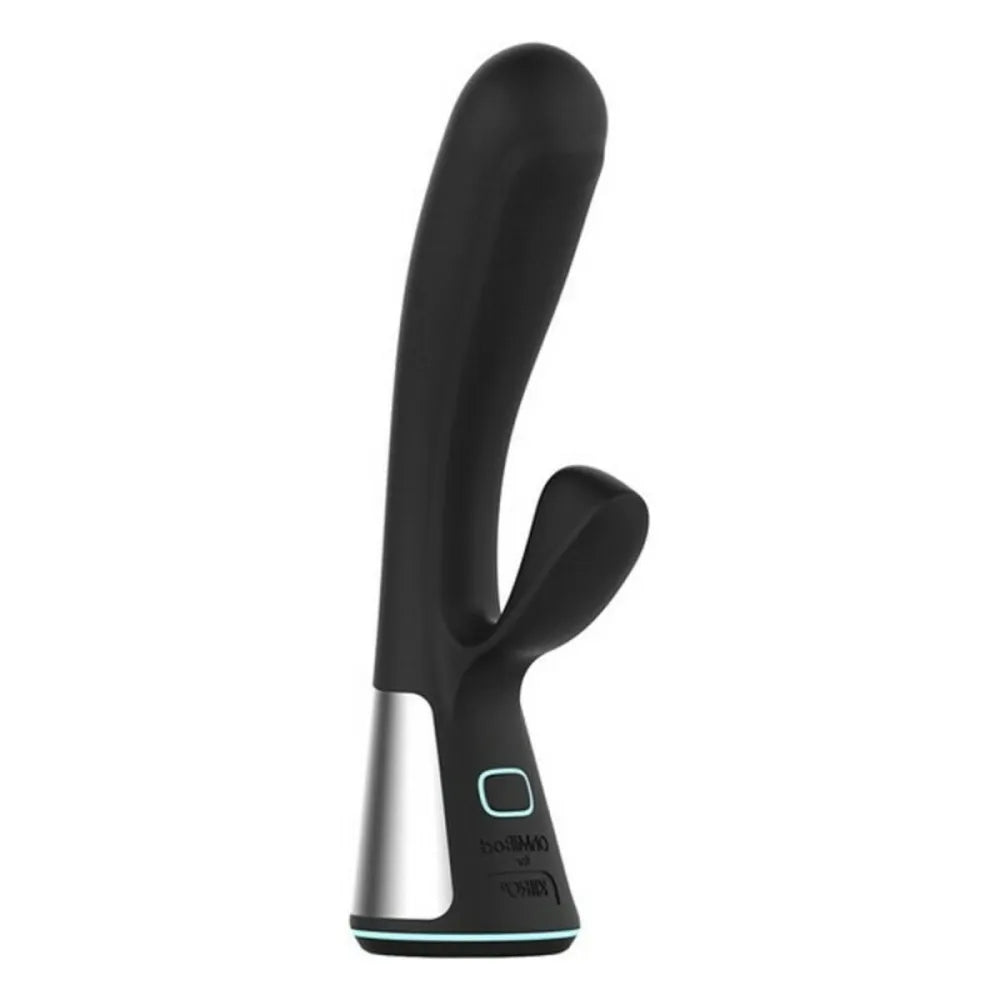
- Vibrating Dildos: Technically hybrids, they combine traditional dildo shapes with vibration.
If you’re sensitive, you might want to start with smoother designs and experiment with texture later.
Step 6: Safety First
Safety should always come before aesthetics. Here are essential tips:
- Always choose body-safe materials (non-porous, phthalate-free).
- For anal use, make sure the base is flared to prevent accidents.
- Avoid sharing porous toys unless you use condoms over them.
- Clean your toy after every use with warm water and mild soap, or a designated toy cleaner.
Step 7: Budget and Investment
Dildos range from under $20 to several hundred dollars. Generally:
- Budget options ($15–40): ABS plastic, basic silicone, small sizes.
- Mid-range ($40–100): High-quality silicone, glass, harness-compatible toys.
- Premium ($100+): Stainless steel, designer pieces, artistic or custom designs.
It’s usually worth investing in body-safe, durable materials, even if it means spending a bit more upfront.
Step 8: Caring for Your Dildo
Proper care extends the life of your toy:
- Clean after every use. Silicone, glass, and steel can be sterilized by boiling (if no electronic parts are inside).
- Use compatible lubricants. Water-based lubes are safe for all toys, while silicone lube should not be used with silicone toys.
- Store properly. Keep your dildo in a lint-free pouch, away from direct sunlight and other toys to prevent reactions.
Common Questions About Buying a Dildo
Q: Is bigger always better?
A: Not at all. Comfort and enjoyment matter more than size. Many people find medium or even smaller dildos the most satisfying.
Q: Can I use the same dildo for vaginal and anal play?
A: Yes, but it’s best to use a condom on the toy or clean it thoroughly before switching between uses to prevent bacterial transfer.
Q: Do dildos feel realistic?
A: Some materials and designs mimic the feel of skin and veins closely, while others focus on abstract pleasure shapes. It depends on your preference.
Q: Are glass or steel toys safe?
A: Yes, if made from quality, body-safe materials. They’re non-porous and can be sterilized. Just avoid sudden, extreme force as they are rigid.
Final Thoughts
Buying a dildo isn’t just about choosing a toy—it’s about choosing how you want to explore your body and your pleasure. By focusing on material, size, shape, safety, and your personal goals, you’ll be able to find the perfect one that feels tailor-made for you.
Whether you’re a curious beginner or an experienced toy enthusiast, the world of dildos offers something for everyone. Take your time, listen to your body, and remember: the perfect dildo is the one that makes you feel good, safe, and empowered.