


How to Clean and Care for Your Dildo: Hygiene Tips for Longevity

Buying a dildo is an investment in pleasure, comfort, and self-discovery. But to make the most of that investment, you need to keep it clean, safe, and well-maintained. Proper care not only ensures your dildo lasts for years but also protects your health by preventing bacterial growth, irritation, and infections.
Many people underestimate the importance of cleaning and storing their toys. In reality, hygiene is just as crucial as material, size, or design. Whether you own one dildo or a full collection, following good cleaning and care practices will extend their life and keep your experiences enjoyable every time.
This guide covers everything you need to know about dildo hygiene: from cleaning techniques to storage solutions and long-term maintenance tips.
Why Dildo Hygiene Matters
Your genitals and anal tissues are sensitive environments, with natural bacteria and pH levels that help keep them healthy. When a toy is not properly cleaned, it can introduce harmful bacteria, fungi, or other pathogens into these delicate areas. This increases the risk of:
- Yeast infections
- Urinary tract infections (UTIs)
- Irritation and inflammation
- Unpleasant odors or residue buildup
Additionally, unwashed toys can degrade faster, especially if bacteria and fluids are left on the surface. Treating your dildo with care means it will remain safe, body-friendly, and in good condition for a long time.
Step 1: Know Your Material
Different materials require different cleaning and care methods. Before anything else, check what your dildo is made of:
Silicone
- Non-porous and body-safe.
- Easy to clean and sanitize.
- Can usually be boiled for sterilization.
Glass
- Non-porous and smooth.
- Can be cleaned with soap, water, or toy cleaner.
- Safe to boil or put in the dishwasher (without detergent).
Stainless Steel
- Non-porous, extremely durable.
- Holds up to almost any cleaning method, including boiling.
- Won’t absorb odors or stains.
ABS Plastic
- Non-porous and affordable.
- Clean with soap and water or toy cleaner.
- Avoid boiling, as it may warp.
Cyberskin, TPE, or Jelly Rubber
- Porous and more delicate.
- Cannot be fully sterilized, which means bacteria may linger.
- Clean gently with warm water and mild soap, then apply a renewing powder to maintain texture.
- Always use condoms with these materials to extend lifespan and keep them safer for use.
Rule of thumb: Non-porous toys (silicone, glass, steel, ABS) are the easiest to clean and safest long-term. Porous toys require extra care and caution.
Step 2: Cleaning After Every Use
No matter the material, always clean your dildo after every session. Here’s how:
- Rinse immediately. Use lukewarm water to remove surface fluids.
- Wash with mild soap. Choose a gentle, fragrance-free soap or a specialized toy cleaner. Harsh chemicals can degrade materials and irritate your skin.
- Scrub carefully. Pay attention to textured areas, ridges, or suction cups, where residue may hide. Use a soft cloth or dedicated brush (not your regular dish sponge).
- Rinse thoroughly. Soap residue can irritate sensitive tissues, so rinse until the toy feels completely clean.
- Dry completely. Pat with a clean towel and let air-dry before storage to prevent mold or bacterial growth.
Step 3: Deep Cleaning and Sterilization
For an extra layer of hygiene—especially if you share toys, switch between anal and vaginal use, or just want to be thorough—sterilization is recommended.
- Boiling method: Place silicone, glass, or stainless steel dildos in boiling water for 3–5 minutes. Make sure the toy doesn’t touch the sides of the pot to avoid damage.
- Dishwasher method: Place on the top rack without detergent and run a hot cycle. Works for silicone, glass, and steel only.
- Bleach solution: For non-porous toys, a 10% bleach solution can disinfect. Rinse thoroughly afterward to remove all traces of bleach.
Never sterilize: Cyberskin, TPE, or jelly rubber. These materials will be damaged by boiling or bleach.
Step 4: Using Condoms for Extra Protection
If you want to make cleanup easier or extend the life of porous toys, consider using condoms on your dildo:
- Protects against bacteria buildup.
- Allows you to safely switch between vaginal and anal play.
- Reduces the need for deep scrubbing.
Disposable condoms are inexpensive and can be an excellent addition to your toy routine.
Step 5: Storing Your Dildo Properly
Storage matters more than many people realize. Incorrect storage can lead to dust, lint, or material degradation.
- Use a pouch or case. Many toys come with storage bags—if not, soft fabric pouches work well.
- Keep toys separate. Some materials (especially silicone or rubber blends) can react if stored touching each other, causing warping or melting.
- Avoid heat and sunlight. Direct sunlight or high heat can damage materials over time.
- Stay dry. Moist environments encourage bacteria and mold. Make sure toys are completely dry before putting them away.
Step 6: Lubricant Compatibility
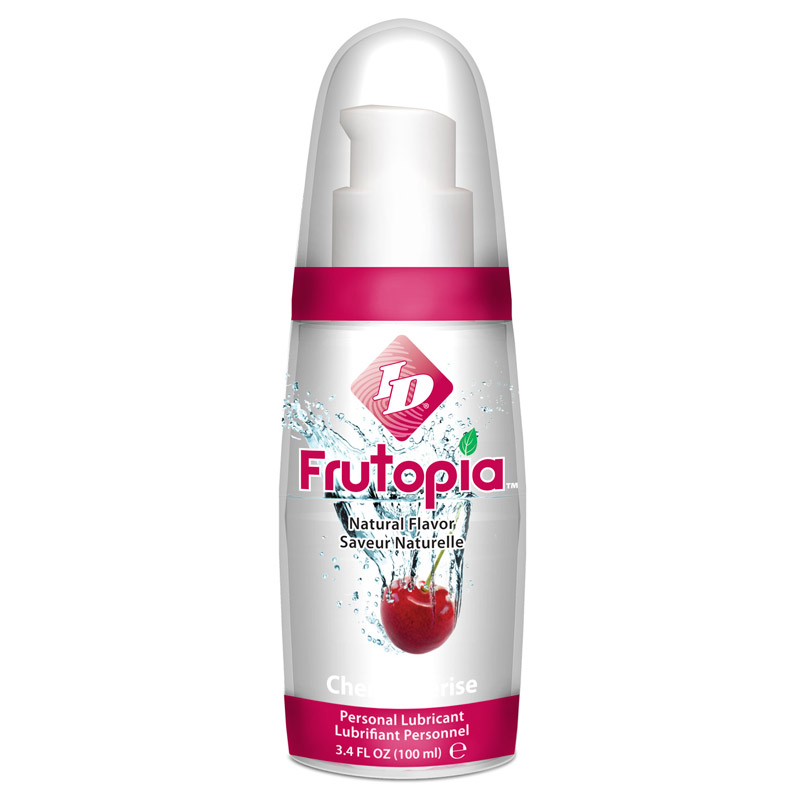
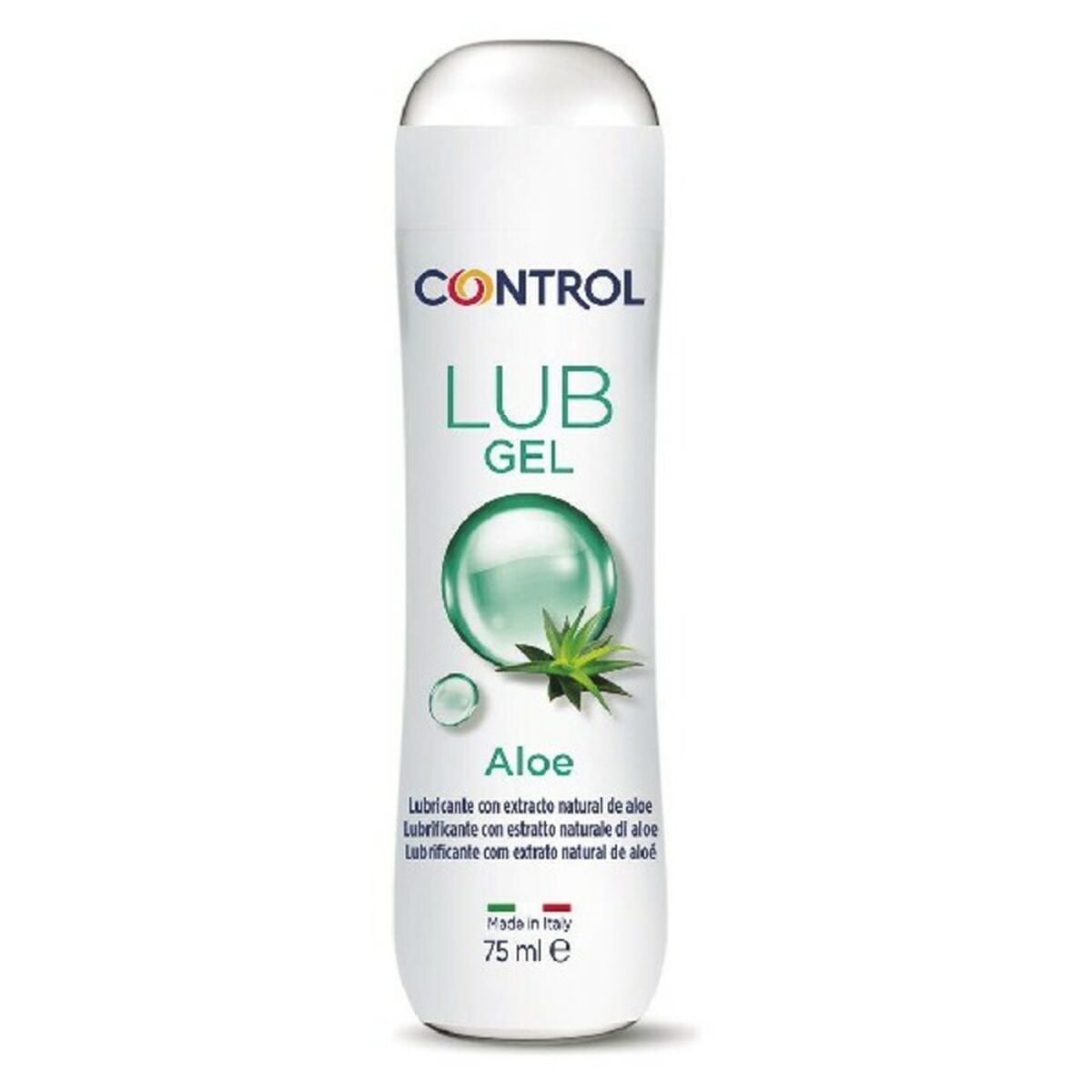
Not all lubricants work with all materials. Using the wrong lube can shorten your toy’s lifespan.
- Water-based lube: Safe for all materials. Easy to clean but may dry quickly.
- Silicone lube: Long-lasting, but generally not recommended for silicone toys (it can degrade the surface).
- Oil-based lube: Not safe with latex condoms and may be harder to wash off. Works well with glass or steel toys.
To stay safe, water-based lubricants are usually the most versatile option.
Step 7: Regular Inspection
Even the best dildo won’t last forever. Inspect your toys regularly for signs of wear:
- Cracks, tears, or peeling (especially on porous materials).
- Discoloration or lingering odors despite cleaning.
- Sticky or tacky texture that wasn’t there before.
If you notice these issues, it’s time to replace the toy. Using a damaged dildo can lead to irritation or infection.
Bonus: Traveling with Your Dildo
If you’re bringing your toy on the go:
- Pack it in a discreet, clean pouch.
- For glass or steel toys, use padding to prevent breakage.
- Remember TSA regulations if flying: sex toys are legal but may be inspected. Pack them in checked luggage if you want to avoid awkward questions.
Common Mistakes to Avoid
- Using harsh household cleaners (bleach sprays, alcohol wipes, antibacterial gels) on porous toys.
- Storing toys damp or without proper ventilation.
- Forgetting to wash before and after play.
- Mixing materials in storage bags.
- Assuming all lubes are safe for all toys.
Final Thoughts
A clean dildo is a safe dildo. Good hygiene habits protect your body and keep your toys in top condition, giving you more years of safe, satisfying use. By knowing your material, cleaning properly, sterilizing when possible, and storing your toy correctly, you’ll extend its life and make every session more enjoyable.
Your dildo isn’t just an object—it’s a tool for pleasure, confidence, and self-care. Treat it with respect, and it will reward you with countless hours of safe, satisfying exploration.