


Lube for Anal Play: What You Absolutely Need to Know First

Anal play can be intensely pleasurable, but it also comes with unique considerations that make proper lubrication absolutely essential. Unlike the vagina, the anus does not produce natural lubrication. That means if you want anal play to feel good—and to avoid discomfort or injury—you need the right lube.
Yet, not all lubricants are created equal. The lube you use for vaginal sex or masturbation might not be the best choice for anal fun. In fact, the wrong lube can cause irritation, dryness, or even damage.
This guide breaks down everything you need to know before choosing a lubricant for anal play. From the different types of lubes to safety concerns and practical tips, you’ll learn how to make anal experiences smoother, safer, and far more enjoyable.
Why Lubrication Is Non-Negotiable for Anal Play
The anus and rectum are lined with delicate tissues that aren’t designed to handle friction. Without proper lubrication, anal play can quickly become painful. Worse, insufficient lubrication increases the risk of:
- Tiny tears (microtears): These are small cuts in the anal lining that can hurt and increase susceptibility to infection.
- Condom breakage: Dryness adds extra friction that can weaken condoms.
- Irritation or inflammation: Friction and dryness can leave you sore for days.
- Reduced pleasure: Instead of being enjoyable, anal play without lube often feels uncomfortable.
In short: good lube is the difference between a pleasurable experience and an unpleasant one.
Types of Lube for Anal Play
There are four main categories of lubricant. Each has its pros and cons when it comes to anal sex or anal toy use.
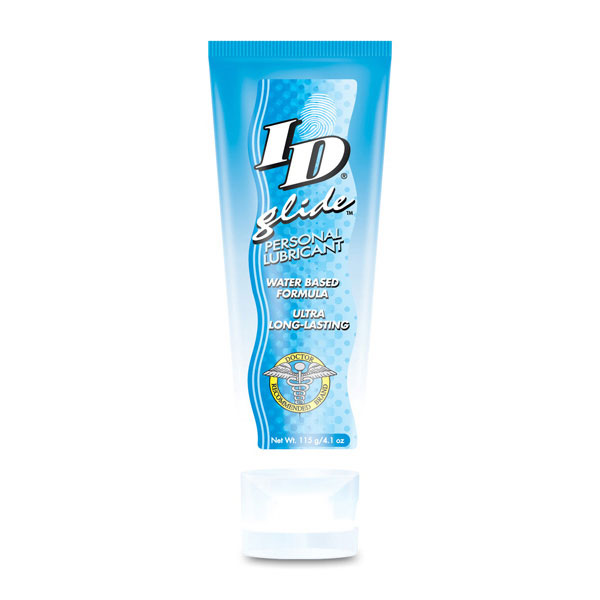
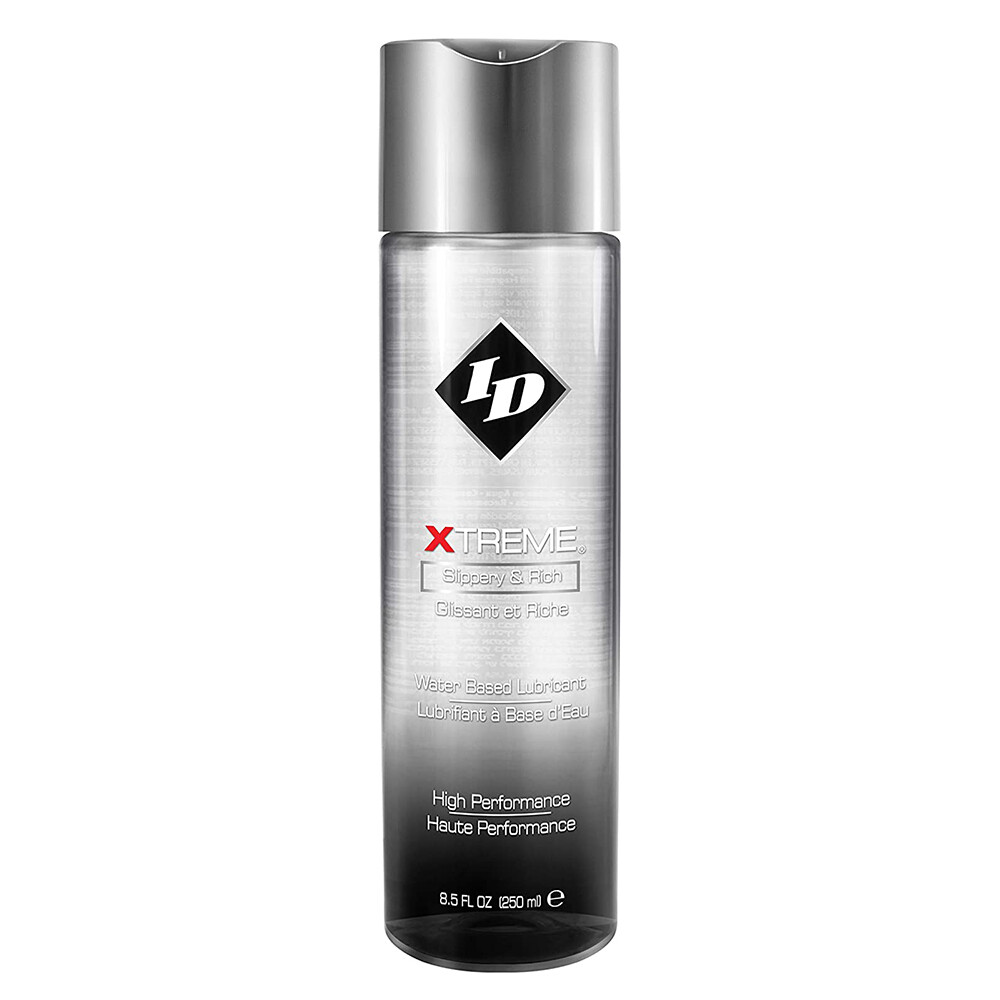
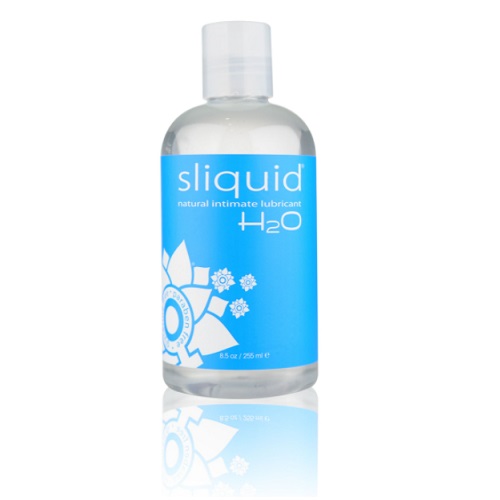
1. Water-Based Lube
Pros:
- Compatible with all sex toys and condoms.
- Easy to clean off skin, toys, and sheets.
- Widely available and affordable.
Cons:
- Dries out faster than other lubes—may need frequent reapplication.
- Some formulas with glycerin or sugars may increase risk of irritation or yeast infections (especially if switching between anal and vaginal play).
Best for: Beginners, toy play, and those who want something versatile and safe.
2. Silicone-Based Lube
Pros:
- Long-lasting and slippery—ideal for extended sessions.
- Water-resistant (can be used in the shower or bath).
- Requires less reapplication than water-based lubes.
Cons:
- Not compatible with most silicone toys (it can degrade the surface).
- Harder to clean off skin and fabrics.
- Usually more expensive.
Best for: Couples who prefer penetrative anal sex without toys, or people who don’t mind a more intensive cleanup.
3. Hybrid Lube (Water + Silicone)
Pros:
- Longer-lasting than water-based, easier to clean than pure silicone.
- Safe with most condoms.
- Provides a nice balance of glide and manageability.
Cons:
- May still damage some silicone toys—check compatibility.
- Can leave slight residue.
Best for: Those who want something longer-lasting than water-based but less heavy than silicone.
4. Oil-Based Lube
Pros:
- Very slick and long-lasting.
- Natural oils (like coconut oil) can feel comfortable and moisturizing.
Cons:
- Not safe with latex condoms (oil breaks down latex).
- Can clog pores or cause irritation.
- Harder to wash out of fabrics and off skin.
Best for: Condom-free play with trusted partners, or for massage + external anal play.
Features to Look for in a Good Anal Lube
Not all lubes are marketed specifically for anal, but those designed with anal play in mind often have helpful features:
- Thicker consistency: Provides cushioning and reduces friction.
- Long-lasting glide: Important since the anus doesn’t self-lubricate.
- pH-balanced and body-safe: Avoids irritation.
- Free of glycerin, parabens, and sugars: Safer for sensitive tissues.
Some lubes are labeled as “anal lubes” simply because they’re thicker, but don’t assume they all are safe—always check the ingredients.
Lubes to Avoid for Anal Play
While experimenting with different lubes is normal, avoid these for anal use:
- Flavored lubes with sugar: Can cause irritation or infections if used internally.
- Desensitizing lubes: These numb sensation, which might seem appealing, but they increase risk of injury since you may not feel pain if something is wrong.
- Household oils (baby oil, cooking oil, petroleum jelly): Not designed for sexual use, can cause infections, and degrade condoms.
Condom and Toy Compatibility
- Latex condoms: Safe with water-based, silicone, and hybrid lubes—but not oil-based.
- Polyurethane or polyisoprene condoms: Compatible with oil-based lubes, but always check the manufacturer’s instructions.
- Silicone toys: Best used with water-based or hybrid lubes to prevent material breakdown.
- Glass, stainless steel, or ABS plastic toys: Compatible with all lubes.
If you like toys, always double-check compatibility—replacing an expensive dildo because of silicone-lube damage isn’t fun.
Practical Tips for Using Lube During Anal Play
- Use plenty: Don’t be shy. Anal play requires more lube than vaginal play. Apply generously to both the toy/penis and the anal opening.
- Reapply as needed: Even thick lubes can dry out over time, so keep the bottle nearby.
- Warm it up: Cold lube can be a mood killer—rub a bit between your fingers first.
- Layer if needed: Some people like to use a thicker anal lube as a base, with a lighter lube on top for extra glide.
- Experiment: Everyone’s body is different. Try different consistencies to see what feels best.
Cleaning Up After Anal Play
- Water-based lubes: Rinse easily with warm water and mild soap.
- Silicone-based lubes: May require a bit more scrubbing with soap or toy cleaner.
- Oil-based lubes: Hardest to clean—use soap and hot water (and pretreat fabrics if there are stains).
Don’t forget to wash toys thoroughly after use, especially if you’ve used a water-based or flavored lube that leaves residue.
Common Questions About Anal Lubes
Q: Do I really need anal-specific lube?
A: Not necessarily. You just need a thicker, longer-lasting lube. Many regular lubes work fine, as long as they’re body-safe and the right consistency.
Q: Can I use saliva as lube?
A: Saliva dries too quickly and doesn’t provide enough lubrication. It also introduces bacteria that may cause infections.
Q: What if I have sensitive skin?
A: Choose a water-based, hypoallergenic lube labeled as glycerin- and paraben-free. Unscented formulas are usually safest.
Q: How much lube should I use?
A: More than you think. A generous amount reduces friction and makes the experience more comfortable.
Final Thoughts
When it comes to anal play, lube isn’t optional—it’s essential. The right lubricant transforms anal sex from potentially painful to intensely pleasurable. Whether you go for water-based, silicone, or hybrid, the key is to choose a body-safe formula that’s thick, long-lasting, and compatible with your condoms and toys.
Think of it this way: investing in a high-quality lube is like putting good tires on your car. It makes the ride smoother, safer, and far more enjoyable.
So, stock up, experiment, and find your perfect match—because when it comes to anal play, lube really is your best friend.