


Pumps & Enlargers: What They Do and How to Use Them Safely
Sexual wellness tools come in many forms, and one category that often sparks curiosity—along with a fair amount of misinformation—is pumps and enlargers. These devices are designed for people with penises or vulvas, aiming to enhance sensitivity, temporarily increase size, or support specific medical or erotic goals.

Despite their sometimes controversial reputation, pumps can be a safe and effective part of a personal pleasure routine or therapeutic regimen when used correctly. However, it’s important to understand how they work, their potential risks, and how to incorporate them safely and confidently into your intimate life.
What Are Pumps & Enlargers?
In the context of sexual health, “pumps” and “enlargers” are devices that create a vacuum around a particular body part—most commonly the penis, clitoris, vulva, or nipples—to temporarily increase blood flow, sensitivity, and size.
These devices use suction to draw blood into erectile tissue. For people with penises, this can support stronger erections; for those with vulvas, it can heighten sensitivity and promote arousal. Pumps are available in both manual and battery-operated models and come in various shapes and sizes depending on the targeted anatomy.
Types of Pumps and What They Do
1. Penis Pumps
Also known as vacuum erection devices (VEDs), penis pumps are often used by individuals looking to:
- Achieve or maintain an erection
- Enhance erectile strength or stamina
- Temporarily increase penis size
- Explore erotic sensation or kink play
Penis pumps typically consist of a cylinder that fits over the shaft, a pump (manual or automatic), and sometimes a constriction ring to maintain the erection post-pumping.
Medical Note: Penis pumps are FDA-approved in some regions for the treatment of erectile dysfunction (ED) as a non-invasive alternative to medication.
2. Clitoral Pumps
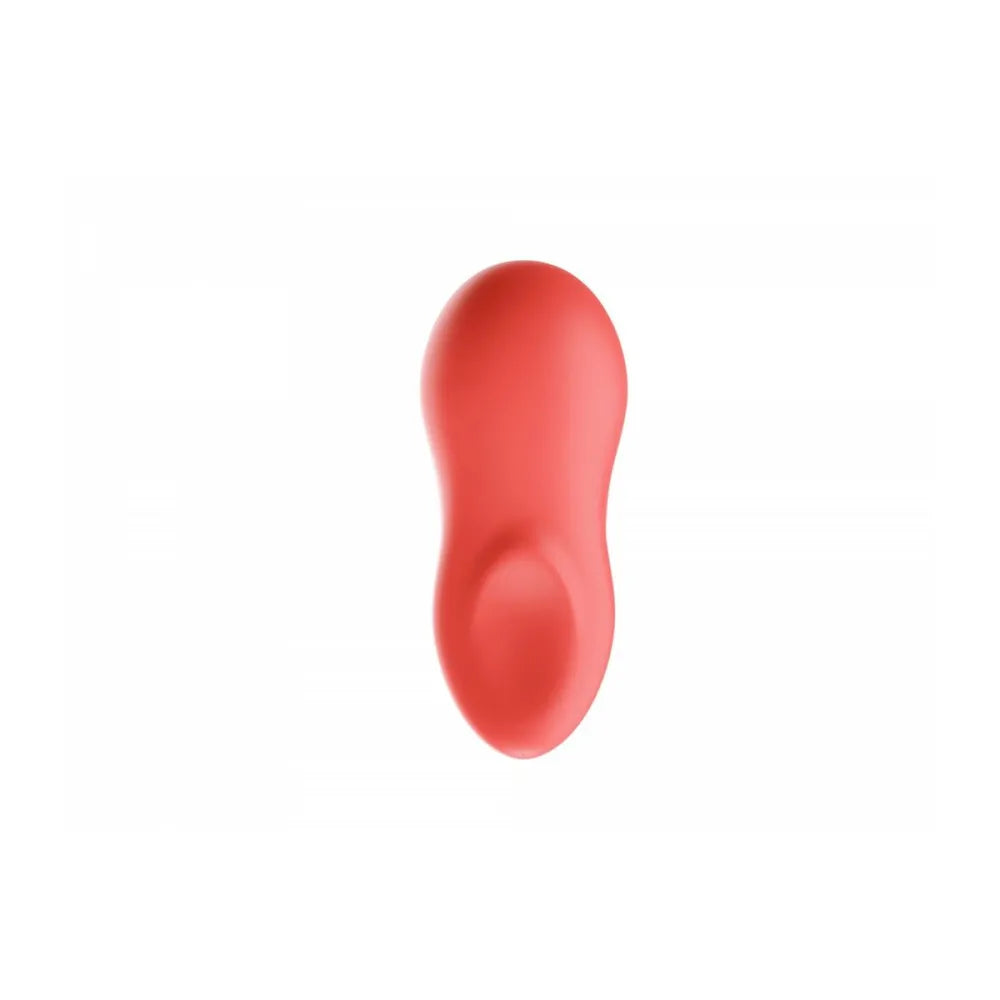
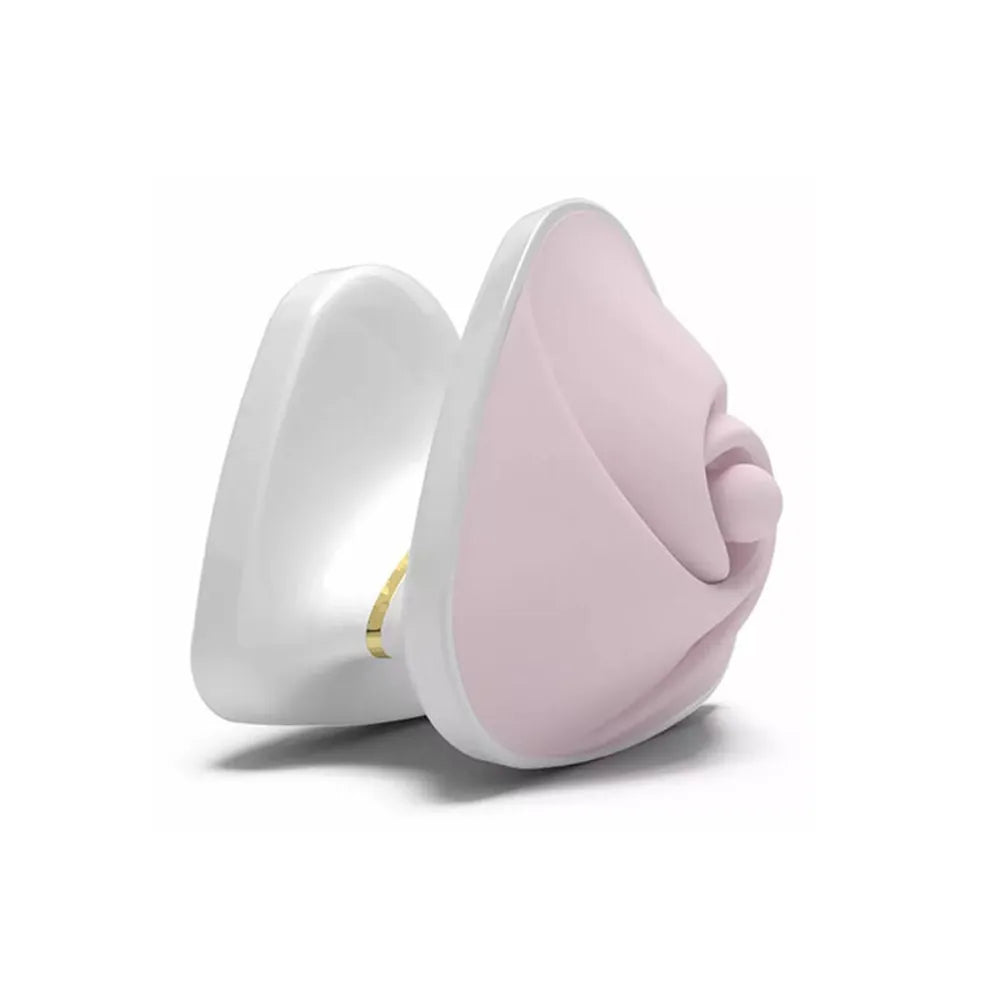
These are smaller devices designed to stimulate the clitoris by increasing blood flow and heightening arousal. Some versions come with textured interiors, vibration functions, or suction cups for added stimulation. Clitoral pumps can be a fun way to explore arousal with or without a partner.
3. Vulva and Labia Pumps
Larger than clitoral pumps, vulva or labia pumps encompass more of the external genitalia. They can:
- Increase sensitivity
- Cause temporary swelling of the labia or clitoral hood
- Create a “puffed” appearance that some users find visually or sensually appealing
These are popular among those exploring body modification, sensation play, or enhanced arousal.
4. Nipple Pumps
Nipple pumps use suction to temporarily enlarge the nipples and increase sensitivity. Some people enjoy the visual enhancement, while others incorporate them into BDSM or kink routines.
How Do Pumps Work?
Pumps operate by creating a vacuum seal around the targeted area. When air is removed from the chamber, the pressure difference causes increased blood flow into the tissues. This influx of blood causes the area to swell, become firmer, and become more sensitive to touch or stimulation.
When used consistently, some people report subtle temporary or even semi-permanent enlargement. However, most physical changes are temporary and should not be mistaken for long-term size gains unless used as part of a structured regimen.
Benefits of Using Pumps
✅ Enhanced Erection Quality
For individuals with ED or who want to improve erectile rigidity, a penis pump can be a non-invasive, drug-free solution.
✅ Increased Arousal and Sensitivity
By improving circulation to the genitals, pumps can increase tactile sensitivity and intensify orgasmic experiences.
✅ Visual Enhancement
Temporary enlargement may enhance body confidence or appeal to a partner’s aesthetic desires, especially in erotic or performance settings.
✅ Sexual Exploration
Pumps can be a tool for solo play, partnered intimacy, kink exploration, or medical support. They can also contribute to a greater awareness and appreciation of one’s body.
Safety First: Guidelines for Using Pumps Responsibly
While pumps can be safe and effective, improper use can lead to bruising, pain, or tissue damage. Here are key guidelines for safe pumping:
1. Read the Instructions Carefully
Always read the manual provided with your pump. Different models have varying specifications, safety valves, and pressure thresholds.
2. Start Slow
Begin with low suction levels to allow your body to adjust. Gradual pumping is far more effective—and safer—than rushing the process.
3. Use Lubrication
Apply a water-based lubricant around the rim of the cylinder to create a better seal and reduce friction on the skin.
4. Limit Session Time
- For beginners: Keep sessions between 5–10 minutes
- For experienced users: You can gradually increase up to 20 minutes, with rest intervals
Avoid prolonged use, which can damage blood vessels or cause numbness.
5. Monitor Sensations
Pumping should never be painful. If you experience sharp pain, numbness, or discoloration, stop immediately.
6. Use Safety Features
Many pumps include a quick-release valve—know where it is and how to use it in case of over-pumping or discomfort.
7. Clean After Each Use
Hygiene is crucial. Clean all parts thoroughly with warm water and toy-safe cleanser to prevent infection or skin irritation.
Common Misconceptions
❌ “Pumps Permanently Increase Size Instantly”
Pumps create temporary results due to increased blood flow and fluid accumulation. Long-term changes require consistency, safety, and realistic expectations.
❌ “More Pressure = Better Results”
Excessive suction can damage sensitive tissues. Pumping should always be gentle and gradual.
❌ “Only for Men”
Clitoral, vulva, and nipple pumps offer pleasurable and empowering experiences for people of all genders and anatomy.
Who Should Avoid Using Pumps?
Pumps are generally safe, but may not be appropriate for everyone. Avoid or consult a medical professional if you have:
- A bleeding disorder or take blood thinners
- Sickle cell anemia or other blood-related conditions
- Nerve damage in the genitals
- Skin infections or open wounds in the area
- A history of priapism (prolonged erection)
If you’re using a pump for medical purposes, particularly related to erectile dysfunction or gender-affirming care, it’s wise to speak with a doctor or sexual health specialist before starting a routine.
Tips for Long-Term Use
If you plan to incorporate pumps regularly into your routine—either for pleasure or body enhancement—consider these best practices:
- Keep a pumping log: Track duration, suction level, and any side effects
- Cycle your sessions: Use them a few times a week with rest days in between
- Hydrate and rest: Blood circulation and tissue health depend on good hydration and recovery
- Pair with other practices: Kegels, massage, and stretching can support your goals
Emotional and Psychological Aspects
Using pumps isn’t just a physical experience—it can also be emotionally empowering. Whether you’re addressing erectile issues, exploring gender expression, or experimenting with sensation play, these tools can help build confidence, body acceptance, and new avenues of intimacy.
That said, it’s crucial to approach pump use with realistic expectations. They are tools—not miracles—and their effectiveness depends on how well you understand and respect your body’s needs.
Conclusion
Pumps and enlargers occupy a unique space in the realm of sexual wellness—part therapeutic device, part pleasure-enhancing tool. When used correctly and responsibly, they can support sexual function, increase arousal, and contribute to deeper exploration of the body and its capabilities.
Whether you’re curious about physical enhancement, interested in new sensations, or navigating changes in sexual health, pumps can be a valuable addition to your toolkit. As with any sexual health product, the key lies in education, safety, and a willingness to explore with awareness and care.