


The Best Lubes to Use with Sex Toys (and Which to Avoid)

Using lubricant with sex toys isn’t just about enhancing pleasure—it’s essential for comfort, safety, and preserving your toys’ longevity. But with so many types of lubricants available, how do you know which ones are best for your toys, and which you should avoid? Using the wrong lubricant can damage your favorite toys or cause irritation.
This comprehensive guide breaks down the best lubes to use with sex toys, highlights which ones to steer clear of, and offers tips for safe and satisfying play.
Why Is Lubricant Important with Sex Toys?
Lubricant reduces friction during insertion, making play smoother and more comfortable. It can:
- Prevent discomfort or injury
- Enhance sensations and prolong sessions
- Protect delicate tissues from irritation
- Extend the lifespan of your toys by reducing wear and tear
The Best Lubricants to Use with Sex Toys
1. Water-Based Lubricants
Why they’re great:
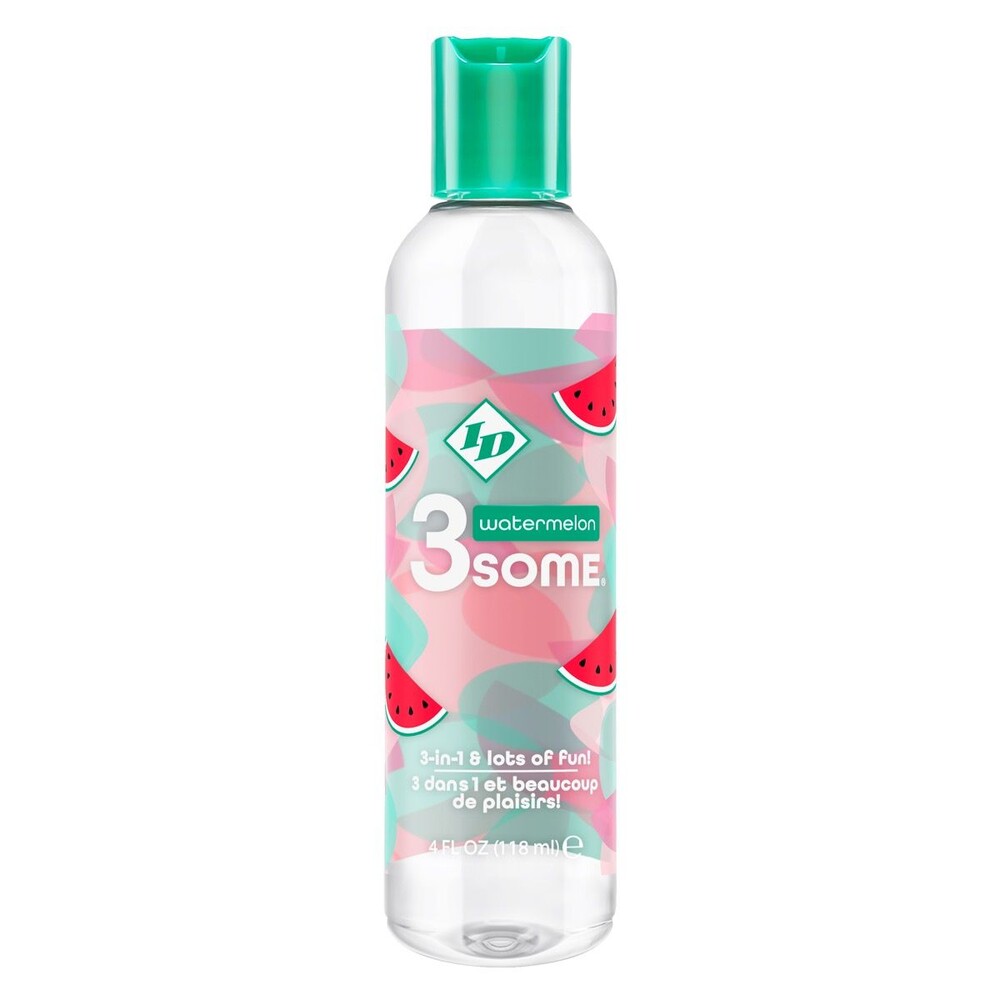
Water-based lubes are the most versatile and toy-friendly lubricants. They are:
- Compatible with all types of sex toys, including silicone, glass, and metal
- Easy to clean off toys and the body, as they dissolve in water
- Less likely to cause irritation or allergic reactions
Best for:
- Silicone toys (including vibrators and dildos)
- Beginners who want safe and simple lubrication
- Users who want flavored or warming lubes, which are usually water-based
Pro tip: Water-based lubes can dry out faster than silicone-based lubes. Keep some handy to reapply during longer sessions.
2. Silicone-Based Lubricants
Why they’re great:
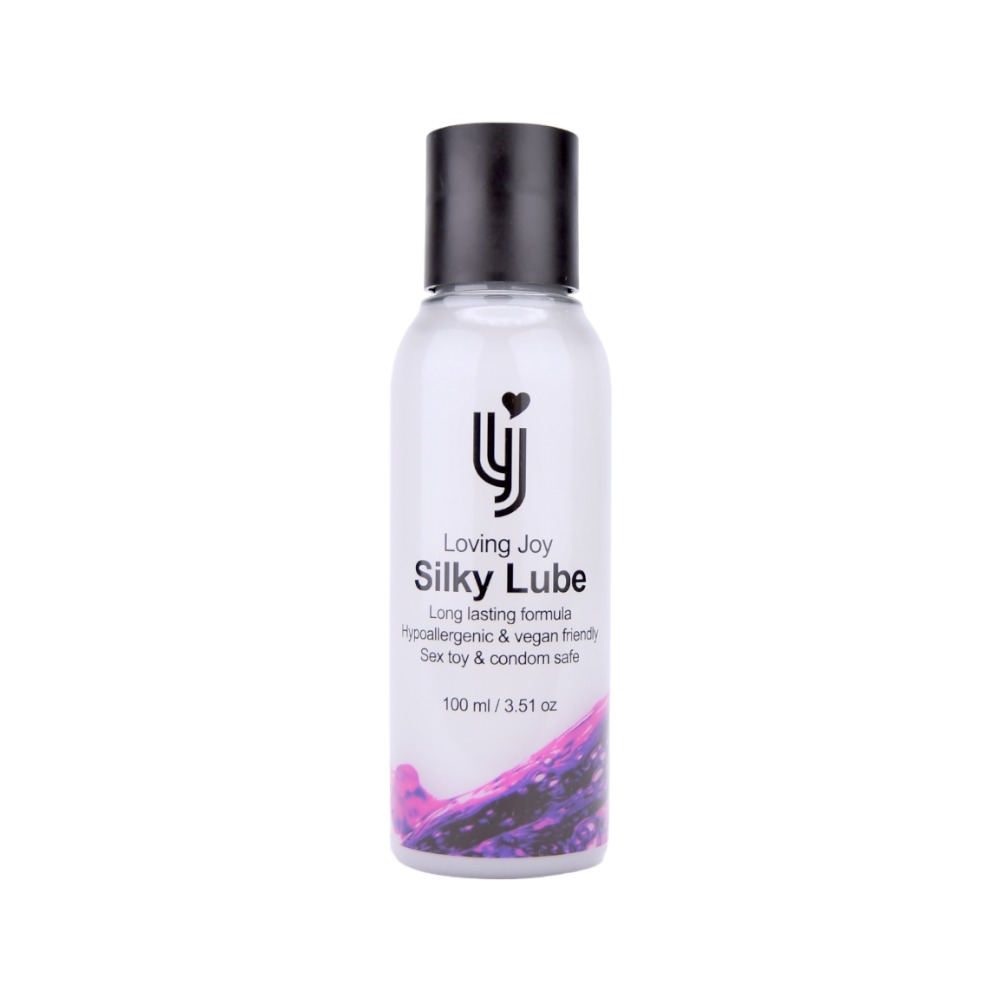
Silicone lubes provide a longer-lasting slickness and are waterproof. Their benefits include:
- Staying slippery much longer than water-based lubes, so less reapplication is needed
- Great for water play (showers, baths, pools) due to their waterproof nature
- Providing a silky, smooth feel that many users love
Best for:
- Metal and glass toys, which aren’t affected by silicone lubes
- Play in wet environments
- Users seeking long-lasting lubrication without constant reapplication
Important: Avoid silicone-based lubes with silicone sex toys—they can degrade the material, causing damage and shortening the toy’s life.
3. Hybrid Lubricants
Hybrid lubes blend water-based and silicone-based ingredients, aiming to offer the best of both worlds.
Benefits:
- Longer-lasting than pure water-based lubes
- Usually safe with most toys, but always check the label for silicone content
- Easier to clean than pure silicone lubes
Best for:
- Users wanting durability without sacrificing toy safety
- Couples experimenting with different sensations
Lubricants to Avoid with Sex Toys
1. Oil-Based Lubricants
Oil-based lubes like coconut oil, baby oil, or petroleum jelly are generally not recommended for use with sex toys, especially silicone ones.
Why avoid:
- They degrade silicone and other porous materials, causing toys to become sticky or damaged
- Difficult to clean, which can trap bacteria and lead to infections
- Not compatible with latex condoms
2. Silicone-Based Lubricants with Silicone Toys
As mentioned earlier, silicone lubes break down silicone toys, causing surface damage and reducing toy lifespan.
3. Lubricants with Added Glycerin or Parabens
While some lubes include glycerin or parabens as moisturizing or preserving agents, these ingredients can cause irritation or yeast infections in sensitive users.
Tip: Choose lubes labeled glycerin-free and paraben-free if you have sensitive skin or recurrent infections.
Tips for Choosing the Right Lube for Your Toys
- Check compatibility: Always verify if your toy manufacturer recommends certain types of lube.
- Start small: When trying a new lube, apply a small amount first to test for reactions.
- Consider your toy material: Silicone toys = avoid silicone lubes; glass/metal = silicone lubes are safe.
- Think about your play environment: Waterproof lube for shower play; easy-to-clean lube for quick sessions.
- Avoid flavored or scented lubes with anal play due to potential irritation.
How to Care for Your Toys When Using Lubricant
- Clean toys immediately after use with warm water and mild soap or toy cleaner.
- Avoid harsh chemicals that can degrade toy materials.
- Store toys separately and dry before putting them away.
- Replace lubricant bottles regularly to ensure freshness and safety.
Final Thoughts
The right lubricant can elevate your toy experience from good to unforgettable. Water-based lubes offer unmatched versatility and safety with all toys, while silicone-based lubes provide lasting slickness for specific scenarios. Avoid oils and incompatible lubes to protect your toys and your body.
For the best results, consider your toys, preferences, and play style when selecting lube, and always prioritize body safety and toy care.