


Water-Based vs. Silicone-Based Lubes: What’s the Difference and Which One Should You Use?
Choosing the right lubricant can make a huge difference in your comfort, pleasure, and toy longevity. With so many options on the market, the two most popular types—water-based and silicone-based lubes—often cause confusion. Both have their unique benefits and potential drawbacks, and understanding these can help you decide which lube fits your needs best.
In this guide, we’ll explore the key differences, advantages, and use cases for water-based and silicone-based lubricants to help you make an informed choice.
What Are Water-Based Lubricants?
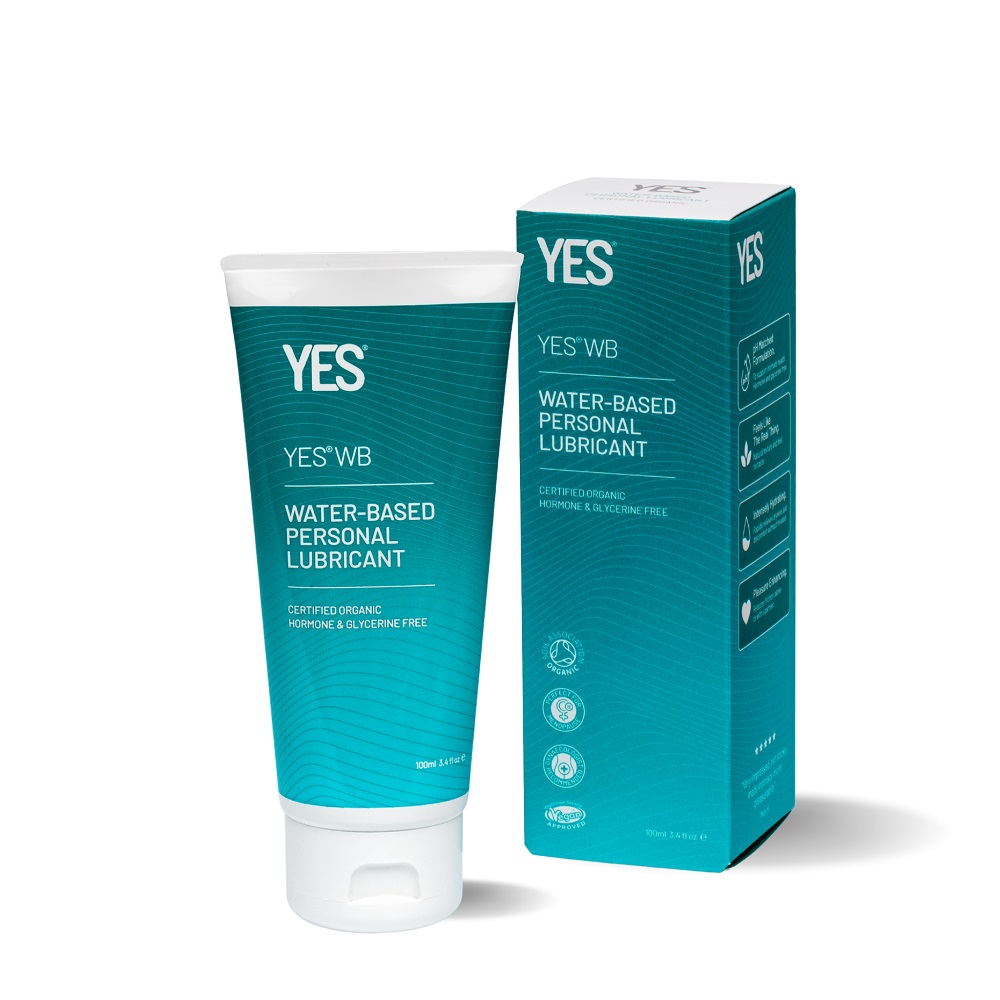
Water-based lubes are the most common and versatile type of lubricant. As their name suggests, water is the primary ingredient, often combined with other natural or synthetic thickeners to create a slippery texture.
Key Characteristics:
- Non-staining and easy to clean: Water-based lubes wash off easily with water, making cleanup simple.
- Safe to use with all toys: Since they don’t degrade materials, they’re compatible with silicone, glass, metal, and more.
- Feels natural: Mimics the body’s natural lubrication more closely than silicone lubes.
- Varied textures: From ultra-thin to thicker gels, water-based lubes come in many formulas.
- May dry out faster: Because water evaporates, these lubes often need to be reapplied during extended play.
What Are Silicone-Based Lubricants?
Silicone-based lubes contain silicone oils instead of water. This makes them thicker, longer-lasting, and more slippery than water-based lubricants.
Key Characteristics:
- Long-lasting: Silicone lubes don’t evaporate like water-based ones, so you apply less frequently.
- Silky and smooth texture: Provides a luxurious glide that stays slick during extended sessions.
- Waterproof: Perfect for shower, bath, or pool play since they won’t wash away easily.
- Not compatible with silicone toys: Silicone lubes can break down the surface of silicone-based sex toys, potentially ruining them.
- More difficult to clean: They require soap and water to fully remove and may leave residue on fabrics.
Comparing Water-Based and Silicone-Based Lubes
| Feature | Water-Based Lube | Silicone-Based Lube |
|---|---|---|
| Main Ingredient | Water | Silicone oils |
| Compatibility | Safe with all toys and condoms | Not safe with silicone toys; safe with latex condoms |
| Duration | Needs reapplication during use | Long-lasting, rarely needs reapplication |
| Clean-Up | Easy, washes off with water | Requires soap and water |
| Suitable for Water Play | No, washes off quickly | Yes, waterproof |
| Texture | Varies: from thin to gel-like | Silky, thick, and slippery |
| Sensitivity | Usually hypoallergenic; some formulas may cause irritation | Hypoallergenic; usually well tolerated |
Which One Should You Use?
Choosing between water-based and silicone-based lubricant depends on your specific needs, toys, and the type of play you enjoy.
Use Water-Based Lube If:
- You’re using silicone toys and want to protect their surface.
- You want easy cleanup and minimal residue.
- You prefer a natural-feeling lubricant close to your body’s own moisture.
- You’re using latex condoms, as both types are compatible but water-based is gentler.
- You want a variety of textures and formulas, including flavored or warming lubes.
Use Silicone-Based Lube If:
- You want a long-lasting glide without reapplying often.
- You’re playing in water environments like the shower or bath.
- You desire an ultra-smooth, silky texture.
- You’re not using silicone toys during the session.
- You’re using latex condoms (silicone lubes are safe with latex but never with silicone toys).
Can You Mix Them?
It’s generally safe to use both types at different times, but mixing water-based and silicone-based lubes during the same session may affect the texture and feel. For example, adding water-based lube over silicone can thin out the slickness quickly.
Tips for Using Lubricants Safely
- Always check ingredient lists if you have allergies or sensitivities.
- Avoid using flavored or warming lubes internally unless labeled safe for that use.
- Store lubricants in a cool, dry place away from direct sunlight.
- Replace lubricants if they change color, smell, or texture.
- Use lube generously to reduce friction and prevent discomfort or injury.
Final Thoughts
Both water-based and silicone-based lubricants offer valuable benefits, and the best choice depends on your personal preferences, toys, and activities. For versatile, toy-safe, and easy-to-clean options, water-based lubes are a fantastic choice. For longer-lasting, waterproof, and silky smooth experiences, silicone-based lubes shine.
If you’re ever unsure, having both types on hand can ensure you’re prepared for any adventure. Experiment and discover what feels best for you and your partner!